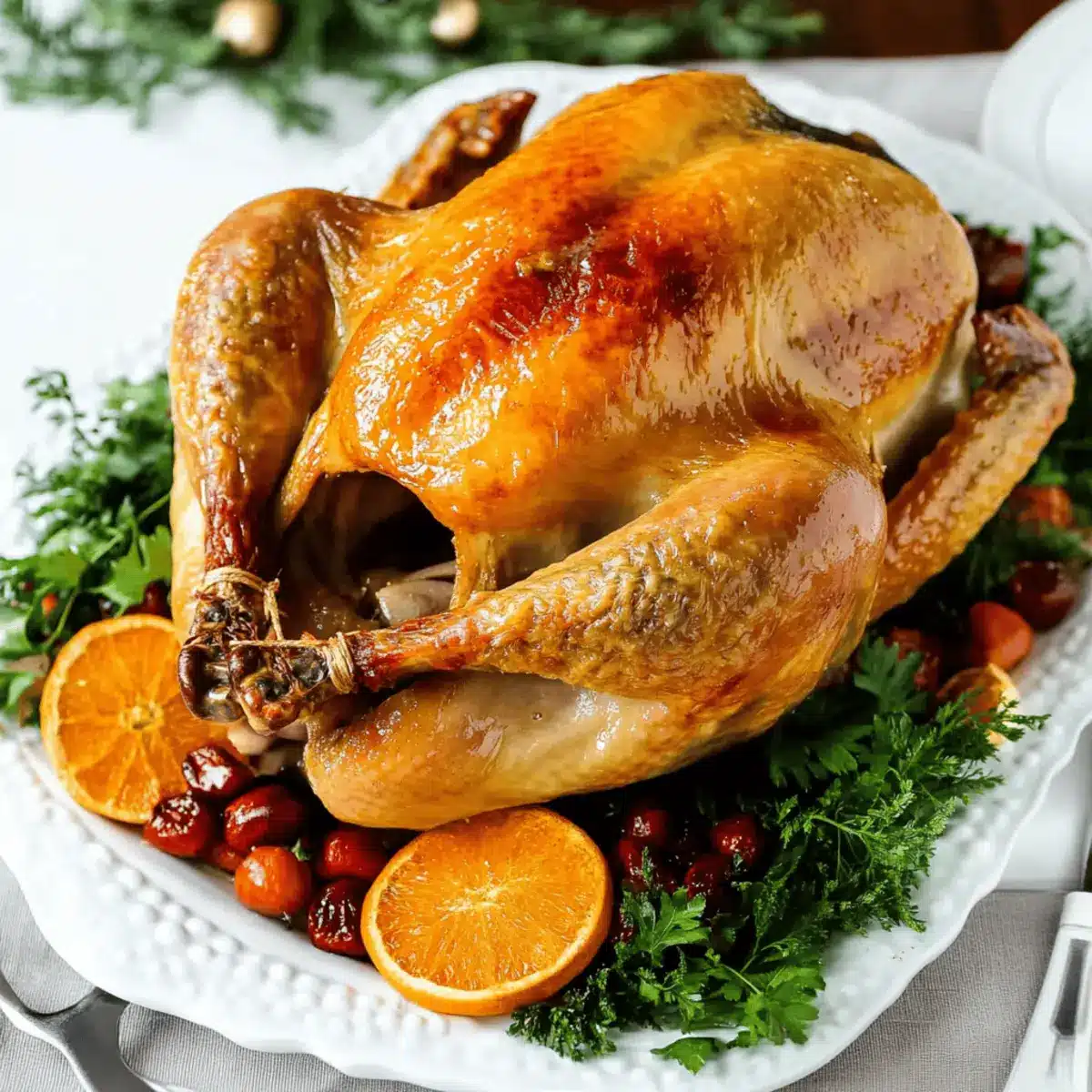
The Thanksgiving turkey. For many, it's the undisputed centerpiece of the holiday feast, the grand culinary spectacle everyone anticipates. Yet, for countless home cooks, it's also the source of immense stress, the culinary Everest that can make or break the entire meal. The dreaded dry, bland bird – a common Thanksgiving tragedy that even the most generous cascade of gravy struggles to redeem. But what if we told you that a truly juicy Thanksgiving turkey isn't a mythical creature, but an entirely achievable reality? What if you could roast a bird so succulent, so flavorful, that your family and friends would remember it for all the right reasons, year after year?
Inspired by cherished family traditions and time-honored techniques, we're here to share the secrets to transforming your Thanksgiving turkey from a potential pitfall into a triumphant masterpiece. This isn't about fancy gadgets or hours of extra prep; it's about understanding a few fundamental principles and applying simple, effective steps. Get ready to banish dry turkey forever and embrace a celebration of flavor and moisture that will have everyone asking for seconds.
The Undeniable Power of Brining for a Juicy Thanksgiving Turkey
When it comes to safeguarding your turkey against dryness, brining is your most formidable ally. It's often hailed as the "secret" to a moist bird, but in reality, it's a scientific marvel that ensures every bite is infused with flavor and tenderness. Brining involves soaking the turkey in a salt solution (wet brine) or coating it generously with a salt mixture (dry brine) before cooking. But how does it work its magic?
- Moisture Retention: The salt in the brine denatures the turkey's muscle proteins, causing them to unravel and create tiny spaces. As the bird cooks, these spaces absorb and trap more moisture, significantly reducing the amount of liquid that escapes.
- Flavor Infusion: Beyond just moisture, brining also allows flavors from herbs, spices, citrus, and aromatics in the brine to penetrate deep into the meat, seasoning the turkey from the inside out.
Wet Brine vs. Dry Brine: Choose Your Champion
Both methods are effective, but they cater to different preferences and situations:
- Wet Brine: This involves submerging the turkey in a solution of water, salt, sugar, and various aromatics (like citrus peels, peppercorns, bay leaves, and herbs). It's excellent for injecting a lot of moisture and flavor. However, it requires a large vessel, significant refrigerator space, and can be a bit messy. The turkey usually brines for 12-24 hours.
- Dry Brine: Also known as salting, this method involves rubbing the turkey all over with a mixture of salt, herbs, and spices. The salt draws out moisture from the turkey, which then mixes with the salt and is reabsorbed, carrying the flavors back into the meat. Dry brining results in incredibly crispy skin and requires less space than a wet brine. It typically takes 24-72 hours for the best results.
No matter which method you choose, brining is a non-negotiable step toward achieving that coveted juicy Thanksgiving turkey. It's the foundation upon which all other moisture-retaining techniques are built.
Crafting Flavor from the Inside Out: Aromatic Infusion & Champagne Broth
While brining lays the groundwork for moisture, true culinary perfection comes from layering flavors. This is where aromatics and a unique liquid infusion elevate your turkey from merely moist to memorably delicious. Our approach, passed down through generations, ensures your bird is seasoned not just on the surface, but throughout every fiber.
The Aromatic Cavity Stuffing
Long before it hits the oven, your turkey's cavity becomes a fragrant chamber. A simple yet powerful herb mixture is first rubbed into the cavity walls, creating a savory base. This mixture typically includes:
- Dried Parsley: For a fresh, earthy undertone.
- Rosemary: Adds a pungent, piney aroma that pairs beautifully with poultry.
- Sage: The quintessential Thanksgiving herb, lending a warm, slightly peppery note.
- Thyme: Offers a subtle, woody fragrance.
- Lemon-Pepper Seasoning & Salt: To provide a zesty kick and essential seasoning.
Following this, the cavity is generously stuffed with whole or cut aromatics:
- Celery Stalks: Contribute a mild, refreshing crunch and subtle flavor.
- Orange Wedges: These are a game-changer. As they heat, they release bright, citrusy notes that permeate the meat, adding a wonderfully unique zest.
- Onion & Carrot Chunks: Provide foundational sweetness and savory depth, enhancing the overall roasted flavor.
This internal aromatic medley works synergistically, ensuring that every molecule of steam and juice within the turkey's cavity is brimming with flavor.
The Magic of Champagne & Broth
Before sealing your bird for roasting, a generous pour of Champagne and chicken broth goes over and into the turkey's cavity. This seemingly luxurious step is crucial for two reasons:
- Unparalleled Moisture: The liquid creates a steamy, moist environment within the roasting pan, constantly basting the turkey from below and preventing it from drying out. The turkey essentially cooks in its own flavorful sauna.
- Flavor Enhancement: The Champagne, with its subtle effervescence and complex notes, tenderizes the meat slightly and adds a layer of sophisticated flavor that chicken broth alone cannot achieve. It's an unexpected but incredibly effective component in developing a truly juicy Thanksgiving turkey. For a deeper dive into this exquisite method, you might enjoy reading Champagne & Orange Turkey: Your Secret to a Juicy Thanksgiving Feast.
Roasting for Perfection: Temperature, Time, and Technique
With your turkey beautifully brined and aromatically infused, the final stage is critical: the roast. This method balances initial moisture retention with a grand finale of golden, crispy skin.
- Prepare the Roasting Pan: Line a sturdy roasting pan with a sheet of heavy-duty foil long enough to completely enclose the turkey. This foil tent is your initial shield against dryness. Place the prepared turkey, breast-side up, onto the foil.
- The Liquid Bath: Carefully pour the Champagne and chicken broth mixture over the turkey, making sure some seeps into the cavity. This establishes the moist roasting environment.
- Seal and Roast: Bring the edges of the foil up and over the turkey, crimping them tightly to form a sealed packet. This traps all the moisture and aromatics inside. Place the pan in a preheated oven at 350°F (175°C).
- Initial Roasting: For a 15-pound unstuffed turkey, expect this initial foil-sealed roasting phase to last approximately 3 to 3.5 hours. The goal here is to cook the turkey thoroughly while preventing any moisture loss. You'll know it's getting close when the juices run clear when pierced.
- Golden Finish: Once the turkey is mostly cooked through, carefully unseal and remove the foil. Return the uncovered turkey to the oven. Continue roasting for another 30-60 minutes, or until the skin achieves a beautiful, deep golden-brown hue and becomes deliciously crispy.
The Golden Rule: Temperature, Not Time
While general guidelines suggest 13 to 15 minutes per pound for an unstuffed turkey (meaning a 15-pound bird might take around 3.5 hours total), these are just estimates. The single most important factor in determining doneness and ensuring a safe, juicy Thanksgiving turkey is its internal temperature.
- Target Temperature: An instant-read thermometer inserted into the thickest part of the thigh, without touching the bone, should register at least 180°F (80°C). For the breast, a temperature of 165°F (74°C) is ideal. By focusing on the thigh's higher temperature, you ensure the entire bird is safe and tender.
- Resting is Essential: Once your turkey reaches the target temperature, resist the urge to carve immediately! Transfer the turkey to a cutting board and tent it loosely with foil. Let it rest for at least 20-30 minutes (or even up to an hour for larger birds). This crucial step allows the juices to redistribute throughout the meat, resulting in an even more succulent and juicy Thanksgiving turkey. Carving too soon will cause all those precious juices to run out onto the board.
For more detailed insights into timing and achieving perfect doneness, refer to our guide on How to Cook a Perfectly Juicy Thanksgiving Turkey Every Time.
Advanced Tips for the Ultimate Bird
Even with the best plan, a few extra considerations can elevate your Thanksgiving turkey from great to truly unforgettable.
- Pat Dry Before Brining/Seasoning: For a dry brine, ensure the turkey's skin is thoroughly patted dry. This helps the salt adhere better and promotes crispier skin.
- Consider Compound Butter: For an extra layer of flavor and moisture, especially for the breast, gently lift the skin and spread a compound butter (butter mixed with herbs, garlic, and citrus zest) directly onto the breast meat before roasting. This also helps achieve that beautiful golden-brown finish.
- Don't Overcrowd the Oven: If you're cooking multiple dishes, ensure there's adequate airflow around the turkey. Overcrowding can lead to uneven cooking and longer roasting times.
- Carve with Care: Use a sharp carving knife and carve against the grain to maximize tenderness and maintain juiciness. Knowing how to properly carve can make a significant difference to the serving experience.
- Make Gravy with Pan Drippings: All those flavorful pan drippings from your roasting pan are liquid gold! Don't let them go to waste. Use them as the base for an incredible, rich gravy that will complement your juicy Thanksgiving turkey perfectly.
Embrace the Journey to Turkey Perfection
Cooking a juicy Thanksgiving turkey doesn't have to be the most stressful part of your holiday. By understanding the principles of brining, embracing aromatic infusions, and following a precise roasting technique, you can confidently create a centerpiece that is moist, flavorful, and truly unforgettable. This holiday season, ditch the dry bird anxiety and prepare to amaze your guests with a succulent masterpiece that will become your new family tradition. Happy roasting!
